Gum Diseases and Treatment Methods
Gum diseases are inflammatory conditions affecting the supporting tissues of the teeth. Studies show that approximately 75% of adults experience gum issues at least once in their lifetime, and untreated gum disease is the number one cause of tooth loss worldwide. They range from simple gingivitis to periodontitis, which can cause bone loss and tooth loss. The primary cause is bacterial plaque due to inadequate oral hygiene. Full recovery is possible when detected early; therefore, early warning signs such as gum bleeding should never be ignored.
1. Gingivitis
The earliest and reversible stage. Treatment success is 100% at this stage and leaves no permanent damage.
- Symptoms: Red, swollen gums that bleed on brushing or flossing; often painless and overlooked.
- Causes: Poor brushing, missed flossing, smoking, hormonal changes (pregnancy, puberty), certain medications.
- Treatment: Limited to the gums with no bone loss; professional scaling plus proper brushing/flossing usually resolves it completely.
2. Periodontitis
If gingivitis is untreated, infection spreads below the gumline to roots and bone. Supporting bone begins to resorb and the process is irreversible.
Symptoms
- Persistent bad taste/odor
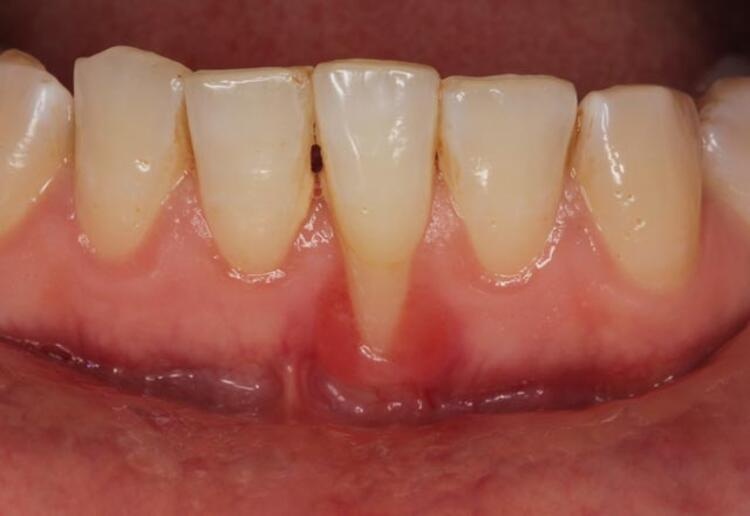
- Gum recession and “longer” teeth
- Tooth mobility and drifting
- Gum abscess
- Hot/cold sensitivity
- Deep pockets between teeth and gums
Disease Stages
- Mild Periodontitis: 3–4 mm pockets, minimal bone loss.
- Moderate Periodontitis: 4–6 mm pockets, significant bone loss, tooth recession.
- Severe Periodontitis: 6+ mm pockets, 50%+ bone loss, tooth mobility, loss risk.
Damage
Periodontal pockets form between tooth and gum; plaque/tartar within these pockets destroy bone, causing irreversible loss and eventual tooth loss.
Risk Factors
- Smoking/tobacco: Biggest risk factor; increases disease by 4–7 times.
- Uncontrolled diabetes: Reduces infection resistance.
- Genetic predisposition: Higher risk in those with family history.
- Stress: Weakens immunity.
- Hormonal changes: Pregnancy, menopause, puberty.
- Certain medications: Antihistamines, antidepressants (dry mouth).
- Poor nutrition: Vitamin C deficiency particularly important.
How Is It Diagnosed?
During periodontal examination, the specialist performs these assessments:
- Periodontal probing: Millimetric probe measures gum pocket depth (normal: 1–3 mm).
- Panoramic X-ray: Determines the level of bone loss.
- Bleeding index: Identifies regions with active infection.
- Digital 3D imaging: Bone structure examined in 3D for complex cases.
Treatment Options
Managed according to severity, ideally by a periodontist.
A. Non-Surgical Therapy (Deep Cleaning)
Scaling and Root Planing: Under local anesthesia, hand/ultrasonic instruments remove deposits and smooth root surfaces to deter plaque retention. Usually completed in 2–4 sessions and sufficient for mild-to-moderate periodontitis.
B. Surgical Therapy (Flap Surgery)
- When: Poor response to non-surgical care or pockets >5 mm.
- How: Temporarily reflect the gum to clean under direct vision.
- Bone Repair: Grafts and barrier membranes (GTR) may be used for regeneration when indicated.
C. Laser Therapy (Adjunct)
May help debride infected tissue and enhance decontamination; can support healing and improve patient comfort. Increasingly used in modern periodontology practice.
D. Regenerative Treatments
In advanced bone loss cases, lost tissues can be rebuilt with bone grafts, membrane application, and growth factors (PRF, PRP).
Prevention
Brush twice daily, floss once daily, and see your dentist every 6 months for professional care. Additionally:
- Use a soft-bristle toothbrush; hard bristles can cause gum recession.
- Electric toothbrushes are more effective than manual ones for plaque control.
- Interdental brushes or floss must be used; brushing alone is not enough.
- Alcohol-free fluoride mouthwash can be supportive (chlorhexidine only short-term with dentist advice).
- Quitting smoking is vital for gum health.
- Limit sugar intake; sugar accelerates plaque buildup.
Frequently Asked Questions
Is gum bleeding normal?
No, healthy gums do not bleed during brushing. Bleeding is the earliest and most important sign of at least gingivitis. It is the first warning and should not be ignored.
Can periodontitis be cured?
Disease progression can be halted and controlled, but lost bone tissue cannot be fully regained. Early detection is essential. Regenerative techniques can provide partial tissue restoration in some cases.
Does gum recession reverse?
Not spontaneously. However, it can be covered with graft surgery (connective tissue graft). Early intervention is critical.
Is scaling and root planing painful?
Performed under local anesthesia; no pain during the procedure. Mild sensitivity may occur for a few days afterward, controlled with prescribed medications.
Does gum disease affect overall body health?
Yes. Strong scientific links exist between periodontitis and cardiovascular disease, uncontrolled diabetes, low birth weight, and rheumatoid arthritis.
Is gum disease during pregnancy normal?
Hormones increase gum sensitivity but disease should not be considered normal. Pregnancy gingivitis must be treated; it can increase preterm birth risk. Second trimester is the safest period for dental treatment.
Is an electric toothbrush better?
Clinical studies show electric brushes (especially oscillation-rotation type) are 11% more effective in plaque reduction than manual brushes. Recommended for those with gum disease.
Gum Disease Treatment at Dent Alesta Izmir Cigli
At Dent Alesta Dental Clinic in Izmir Cigli Atasehir, we treat gum diseases with early diagnosis, modern scaling equipment, laser-assisted therapy, and regenerative techniques when needed. We offer dedicated appointment slots for gum bleeding and periodontitis cases from patients coming from Menemen, Mavisehir, Karsiyaka, Bayrakli, and Bostanli.
For more information on gum disease, visit our gum disease treatment page or dental cleaning (scaling) page. If you are experiencing symptoms like gum bleeding, do not wait — call +90 540 002 00 35 or fill out our online appointment form.