Post-Implant Surgery Care Instructions
The long-term success of implant treatment depends as much on the patient’s adherence to post-operative care rules as on the surgical technique. Clinical studies show that implant success rates reach 97–98% in patients who follow instructions carefully, while success rates drop significantly in cases of neglect. The first 24–48 hours in particular represent a critical window for healthy healing. In this guide, based on the clinical experience of Dent Alesta Dental Clinic in Izmir Cigli, we cover the post-implant period hour by hour, day by day, and month by month.
Within the First 24 Hours
1. Bleeding Control
- Bite firmly on the gauze placed by your dentist for 30–60 minutes.
- If bleeding persists, replace with fresh sterile gauze and maintain pressure. Do not spit.
- Slight oozing and a pink tinge in saliva is normal; do not worry unless there is active bleeding.
2. Swelling
- Apply intermittent cold packs externally for the first 24 hours (15 minutes on / 15 minutes off).
- Cold helps reduce swelling and bruising. Swelling typically peaks on days 2–3 and subsides by days 5–7.
- Elevate your head with 1–2 pillows while sleeping to minimize swelling.
3. Diet
- Stick to cold, soft/pureed foods on the day of surgery (cold soup, yogurt, pudding, ice cream).
- Avoid very hot, hard, spicy, or seedy foods.
- Do not drink through a straw; the negative pressure can dislodge the clot.
4. Oral Hygiene
- Avoid rinsing and spitting for 24 hours.
- Brush other areas gently; avoid the surgical site.
During the First Week
1. Medications
- Take antibiotics and analgesics exactly as prescribed. Never stop antibiotics halfway.
- If you take blood thinners, ensure you have informed your dentist in advance.
2. Mouthwash
- After 24 hours, start an antiseptic mouthwash (often chlorhexidine) if advised; swirl gently.
- Warm salt water rinses (after meals) support healing.
3. Smoking & Alcohol
- Avoid for at least 7 days; smoking slows healing and increases infection risk.
- Ideally, minimize smoking until osseointegration completes (2–3 months).
4. Physical Activity
- Avoid strenuous exercise for a few days; rest supports recovery.
- Heavy lifting and bending can raise blood pressure and trigger bleeding.
5. Sutures
- Sutures are typically removed after 7–10 days; clean the area gently until then.
- If dissolvable sutures were used, they will fall out on their own.
6. Dentures (If Any)
- If using a temporary removable denture, avoid pressure on implants in the first 24 hours and attend follow-up checks.
The First Month: Soft to Normal Diet Transition
After the second week, soft tissues heal significantly. During this period, you can gradually return to normal diet and habits:
- Week 2: Soft cooked vegetables, pasta, and minced-meat based meals can be introduced. Hard foods and nuts should still be avoided.
- Week 3: Transition to normal diet begins. However, avoid chewing on the implant side; prefer the opposite side.
- Week 4: Attend your follow-up appointment. Your dentist evaluates soft tissue healing and clot stability around the implant.
Oral hygiene is especially important in this period. Interdental brushes and soft-bristle toothbrushes are recommended. After the chlorhexidine period ends, you may switch to fluoride, alcohol-free mouthwash.
Osseointegration Period (2–3 Months)
Osseointegration is the biological fusion of the implant with the jawbone and represents the most critical biological phase of implant treatment. This process typically takes 2–3 months, faster in the lower jaw and slightly longer in the upper jaw.
Things to consider during osseointegration:
- Avoid overloading: Chewing hard objects (ice, pens, nails) in the implant area disrupts osseointegration.
- Regular check-ups: Never miss the follow-up appointments set by your dentist. Week 1, 3, and 6 are standard.
- Smoking and sugar: Both negatively affect bone metabolism. Minimize during osseointegration.
- Systemic conditions: Inform your dentist about diabetes, osteoporosis, etc.; medication adjustments may be needed.
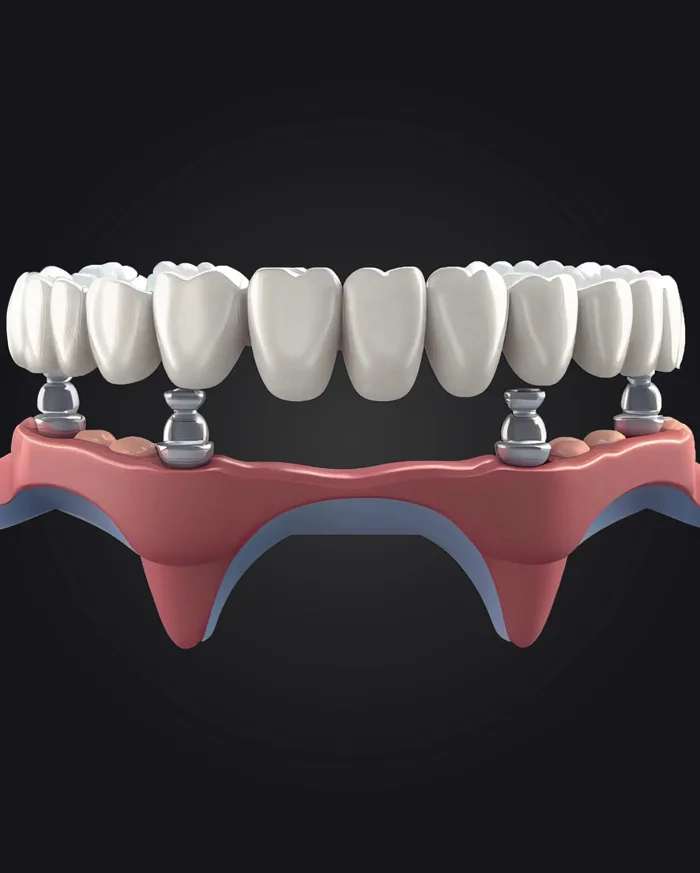
Once this process is successfully completed, your implant is ready for permanent crown or bridge loading. Prosthetic work (crown/bridge) takes approximately 2–3 weeks.
When Should You Contact Your Dentist? Warning Signs
Some pain, swelling and bruising is normal in the first days. However, if any of the following symptoms appear, contact your clinic immediately:
- Fever: Fever above 38 °C (100.4 °F) may indicate infection.
- Severe and increasing pain: Pain not relieved by prescribed painkillers, increasing after day 3.
- Prolonged bleeding: Active bleeding lasting more than 2 hours despite pressure.
- Bad odor or taste: Persistent bad odor or taste indicates infection.
- Excessive swelling: Swelling that continues to grow after day 3 and spreads to the neck.
- Numbness: Prolonged numbness in the lip, chin, or tongue.
Most Common Mistakes
- Returning to smoking early: Reduces healing rate by 30–40%.
- Switching to hard foods too early: Hard foods before week 2 disrupt the clot.
- Rinsing on day one: Risk of clot loss and dry socket.
- Stopping antibiotics halfway: Significantly increases infection risk.
- Missing follow-up appointments: Early problems remain undetected, complications grow.
- Changing rinses on your own: Do not swap antiseptic for salt water without dentist approval.
Frequently Asked Questions
How long does implant recovery take?
Soft tissue healing takes 2–3 weeks; osseointegration (bone fusion) 2–3 months. The total process, including prosthetic work, averages 3–5 months.
How long does post-implant pain last?
Moderate pain is common for the first 2–3 days and is well controlled with prescribed painkillers. Pain should subside after day 5. Increasing or persistent pain requires specialist consultation.
What can I eat after implant surgery?
First 24 hours: cold soup, yogurt, pudding, ice cream. First week: soft cooked foods, mashed potatoes, pasta. From week 2 onwards, soft vegetables and minced-meat meals are added.
When can I smoke after implant surgery?
Strictly not recommended; avoid for at least 7 days, ideally until osseointegration is complete (2–3 months). Smoking significantly lowers success rate.
Can implants fail?
With proper patient selection, appropriate surgery, and careful post-op care, success rate exceeds 97%. Smoking, uncontrolled diabetes, and neglected hygiene are the main causes of failure.
Can I exercise after implant surgery?
Avoid strenuous exercise for the first 3–5 days. Light walking is fine. After 1 week, you can gradually return to intense training.
Is numbness in my mouth normal?
A few hours of numbness from anesthesia after surgery is normal. However, lip/chin numbness lasting more than 24 hours may indicate nerve irritation and must be reported to your dentist immediately.
Post-Implant Follow-up at Dent Alesta Izmir Cigli
At Dent Alesta Dental Clinic in Izmir Cigli Atasehir, we provide detailed written care instructions and 24/7 contact numbers to our patients for the post-implant period. For patients coming from Menemen, Mavisehir, Karsiyaka, Bayrakli and Bostanli, we plan follow-up appointments in flexible time slots.
For more information about the entire implant treatment process before and after, see our dental implants page or explore our painless dental treatment approach. For appointments, call +90 540 002 00 35 or fill out our online appointment form.