Gingival Esthetics (Gummy Smile): What You Need to Know
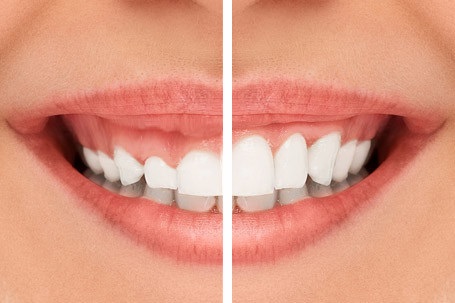
A gummy smile is defined as the excessive display of gingiva (usually more than 3–4 mm) between the upper lip and teeth while smiling. This condition can make the teeth appear shorter than they are, disrupt smile symmetry and reduce a person’s confidence in social situations. Clinical studies suggest that around 10–15% of the adult population presents with a noticeable degree of gingival display.
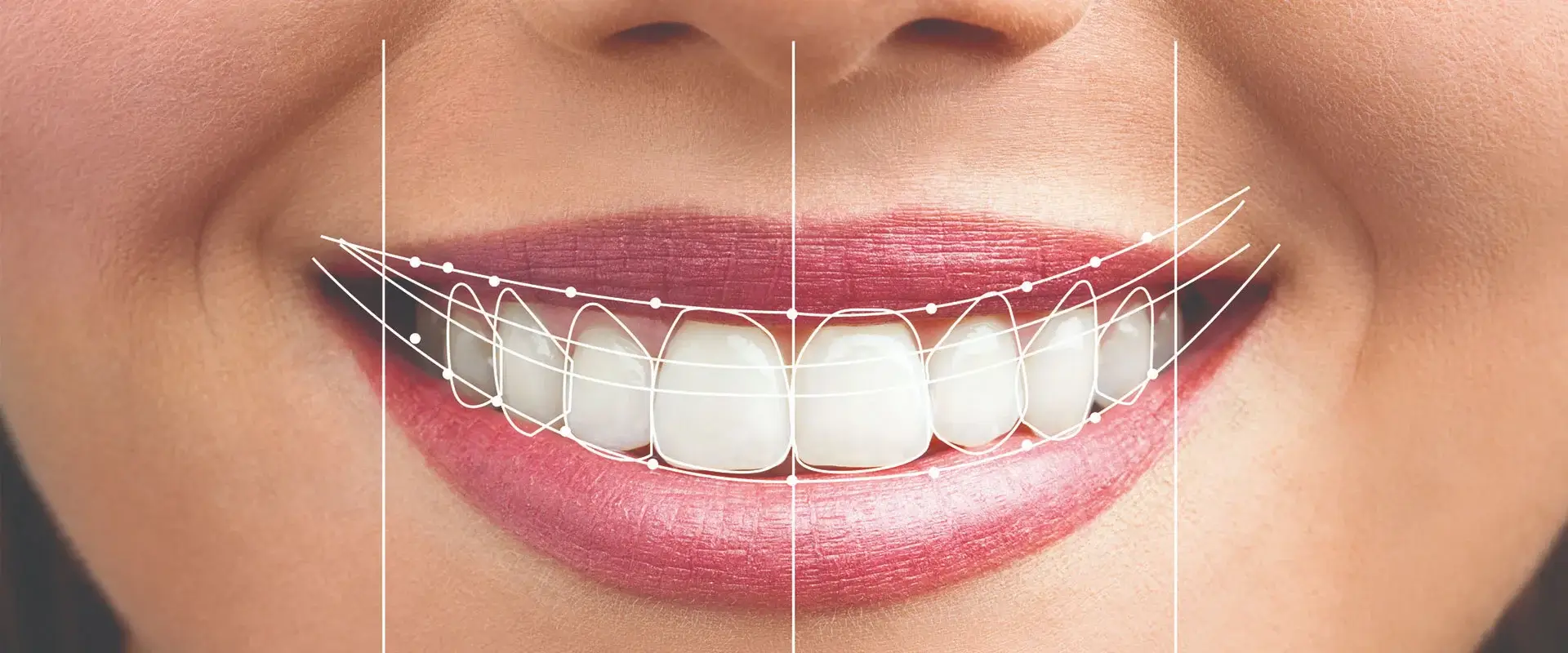
Gingival esthetics is a comprehensive discipline that evaluates the smile line, tooth length, gum level and lip movement together. The goal is to bring the tooth-to-gum ratio to an esthetic optimum and to choose the treatment that specifically addresses the underlying cause. In this guide from Dent Alesta Dental Clinic in Izmir Cigli, we cover the causes, diagnosis, surgical and non-surgical treatment options, and the healing process for gummy smile.
What Is a Gummy Smile? When Is It Considered a Problem?
In esthetic dentistry, the normal range for gingival display during smiling is 0–2 mm. Up to 3 mm is considered “acceptable”, while 4 mm and above is classified as gummy smile. Some patients may want to preserve a slight gingival display as a personal characteristic, whereas pronounced cases usually warrant treatment for both esthetic and functional reasons.
During evaluation, both the resting smile and the dynamic (social) smile are analyzed. The maximum upper-lip elevation during smiling is a key indicator that shapes the treatment plan.
Causes of Gummy Smile
A gummy smile is rarely caused by a single factor; it is often multifactorial. The main causes include:
1. Excessive Gum Growth (Gingival Hyperplasia)
- Overgrowth of the gingiva shortens the visible portion of the tooth.
- Hormonal changes (pregnancy, puberty), certain medications (phenytoin, cyclosporine, calcium channel blockers) or chronic gingival inflammation may contribute.
2. Altered Passive Eruption
- After teeth complete active eruption, the gum tissue fails to recede to the expected level.
- Teeth appear short and square, with the gum covering a large portion of the crown surface.
3. Hyperactive Upper Lip
- The muscles that elevate the upper lip (levator labii superioris group) work more strongly than expected.
- Even if the tooth-gum ratio is normal, the lip rises too high and reveals more gum tissue.
4. Short Upper Lip
- An anatomically short lip causes more of the teeth and gums to show even at rest.
- Although the lip may lengthen with age, this feature can remain permanent in some individuals.
5. Vertical Maxillary Excess
- Excessive vertical growth of the upper jaw leads to increased gum display during smiling.
- These are skeletal-origin cases and are typically managed with orthognathic surgery.
6. Dental Factors and Tooth Wear
- Short clinical crowns, delayed tooth eruption or dental wear may also contribute.
- In patients with bruxism, shortened tooth height can increase apparent gum display over time.
How Is Gummy Smile Diagnosed?
Accurate treatment planning requires a comprehensive esthetic and functional evaluation. Clinical assessment includes:
- Clinical Measurements: Tooth length, gum level, smile line and lip length are measured in millimeters.
- Lip Movement Analysis: Lip motion at rest, during speech and during smiling is recorded on video for review.
- Photography and Digital Smile Analysis: Facial photographs are used to evaluate tooth-gum ratio and symmetry. Digital smile design (DSD) software shows the expected outcome to the patient.
- Radiographs and CBCT: X-rays help evaluate root position, bone level and passive eruption status. For skeletal cases, cone beam CT (CBCT) refines the plan.
- Multi-disciplinary Assessment: Depending on the case, a periodontist, orthodontist, prosthodontist and maxillofacial surgeon may plan the treatment together.
Treatment Options for Gummy Smile
Treatment is selected based on the underlying cause, patient expectations and desired longevity. The main approaches are:
1. Gum Contouring (Gingivectomy and Gingivoplasty)
- Goal: Remove excess gum tissue and reshape the gingival margin into an esthetic curve.
- How: Performed under local anesthesia with a scalpel or dental laser. Laser reduces bleeding and can speed up healing.
- Duration: Usually completed in a single 30–60 minute session.
- Indications: Mild to moderate altered passive eruption, gingival hyperplasia and gum asymmetry.
2. Crown Lengthening (Gingivectomy + Osseous Recontouring)
- When gum removal alone is insufficient, a flap is reflected and the underlying bone is gently reshaped.
- This reduces relapse risk and provides a more permanent result.
- Healing takes slightly longer than gum contouring alone (about 2–3 weeks).
3. Botulinum Toxin (Lip Botox)
- Goal: Temporarily limit the movement of muscles that overly elevate the upper lip.
- Duration of Effect: Commonly reported as 4–6 months; it is not permanent and can be repeated.
- Advantage: No surgery is required; the procedure takes 10–15 minutes and social activities may resume the same day.
- Indications: Gummy smile caused by a hyperactive upper lip.
4. Orthodontic Treatment (Braces or Clear Aligners)
- Used when teeth are over-erupted or when the anterior maxilla has descended vertically.
- A movement called “intrusion” moves the teeth and surrounding tissues upward, reducing gum display.
- Treatment usually takes 12–24 months.
5. Orthognathic Surgery
- Preferred for severe skeletal cases such as vertical maxillary excess.
- The upper jaw is repositioned superiorly by a specific amount, permanently reducing gum display.
- Planned in collaboration between the orthodontist and maxillofacial surgeon; healing is longer.
6. Lip Repositioning Surgery
- A strip of mucosa inside the upper lip is removed, limiting lip elevation on a semi-permanent basis.
- Considered a longer-lasting alternative to botulinum toxin in selected cases.
Which Method Fits Which Case?
- Mild gum excess, healthy bone: Gingivectomy/gingivoplasty is usually sufficient.
- Marked altered passive eruption: Crown lengthening in addition to gum removal is preferred.
- Hyperactive lip, patient prefers non-surgical option: Lip botox is the first choice.
- Long-lasting solution for hyperactive lip: Lip repositioning surgery may be considered.
- Skeletal cases (vertical maxillary excess): Combined orthognathic surgery and orthodontics.
- Tooth position-related cases: Orthodontic intrusion.
In many cases, a combined approach (for example gingivectomy plus lip botox) provides a more esthetic and longer-lasting result than a single method.
Healing Process
Healing varies according to the chosen method. In general terms:
- Gingivectomy/Gingivoplasty: Soft tissue healing takes 7–14 days. Mild tenderness and swelling may occur in the first 48 hours, well controlled with prescribed painkillers and antiseptic rinses.
- Crown Lengthening: Gum and bone healing lasts 2–3 weeks. Final restorations (crowns, veneers) are typically placed after 6–8 weeks.
- Botulinum Toxin: Effect starts within 3–7 days. No downtime; patients return to social life the same day.
- Orthognathic Surgery: Swelling decreases significantly within 3–4 weeks. Full functional recovery may take up to 6 months.
After treatment, smoking, hot or spicy foods and aggressive brushing should be avoided for at least one week. Antiseptic mouthwashes support hygiene; if sutures are placed, they are usually removed after 7–10 days.
How Long Do the Results Last?
- Gingivectomy and gingivoplasty: Provide long-lasting results in most cases. If altered passive eruption is not fully corrected, partial relapse may occur within a few years.
- Crown lengthening: One of the most durable surgical solutions because the bone level is also corrected.
- Lip botox: Not permanent; effect lasts 4–6 months and can be repeated.
- Orthognathic surgery and lip repositioning: Deliver lasting results; some partial return may occur long-term with lip repositioning.
- For long-term success: Regular gum care, professional cleaning every 6 months and control of gingival inflammation are essential.
Frequently Asked Questions
Is gummy smile treatment painful?
Surgical procedures are performed under local anesthesia, so no pain is felt during treatment. Mild to moderate tenderness may occur for 1–3 days afterward and is well controlled with prescribed painkillers.
How quickly does lip botox work?
The effect starts within 3–7 days and fully settles within 2 weeks. The effect commonly lasts 4–6 months and can be repeated afterward.
Will the gum grow back after gingivectomy?
When the correct cause is addressed, the risk of relapse is low. In cases of altered passive eruption, crown lengthening should be preferred over gum removal alone; otherwise, partial regrowth may occur within a few years.
Is there an age limit for gummy smile treatment?
Treatment is generally offered to patients whose dental and jaw development is complete (usually after age 18). In cases requiring orthognathic surgery, treatment is not recommended until growth is complete.
When can I return to social life after treatment?
Same day for botox, 1–2 days rest after gingivectomy/gingivoplasty, and 3–5 days after crown lengthening. Orthognathic surgery may require 2–3 weeks off work.
Can gummy smile treatment be combined with other esthetic procedures?
Yes. In most cases, tooth whitening, porcelain veneers or composite bonding are combined as part of a full smile design so that the tooth-gum ratio is optimized as a whole.
What kind of result should I expect?
With realistic expectations and proper planning, patients can expect a more symmetric smile, longer-looking teeth and a significant reduction in gum display. Overpromising should be avoided; a clinical evaluation is essential to define the achievable outcome.
Gingival Esthetics at Dent Alesta Izmir Cigli
At Dent Alesta Dental Clinic in Izmir Cigli Atasehir, we offer gummy smile treatment through a holistic planning approach that includes digital smile design, laser-assisted gingivectomy, crown lengthening and lip botox. For patients coming from Menemen, Mavisehir, Karsiyaka, Bayrakli and Bostanli, we provide flexible appointment times and single-visit evaluation opportunities.
For more information about gum health and esthetic treatment options, visit our gum diseases page, and for comprehensive esthetic planning, our smile design page. To book an appointment, call +90 540 002 00 35 or fill out our online appointment form.