What Is Digital Dentistry and What Advantages Does It Offer?
Digital dentistry involves using computer-aided technologies, software, and devices—alone or alongside traditional methods—to make diagnosis, planning, prosthetic fabrication, and patient communication faster, more precise, and more predictable.
Core Components
1. Intraoral Scanners
- Capture a 3D model of the mouth instead of conventional impression trays.
- Advantage: Reduces errors, shortens impressions, improves comfort.
2. CAD/CAM
- CAD: Design crowns/bridges/veneers from 3D data.
- CAM: Mill or 3D-print restorations the same day or quickly.
- Advantage: Shorter treatment time and excellent fit.
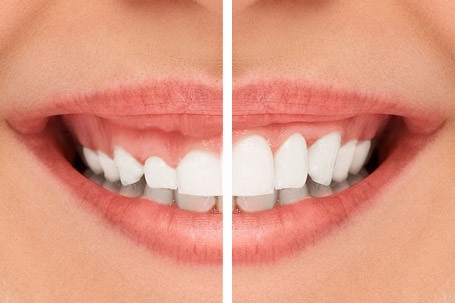
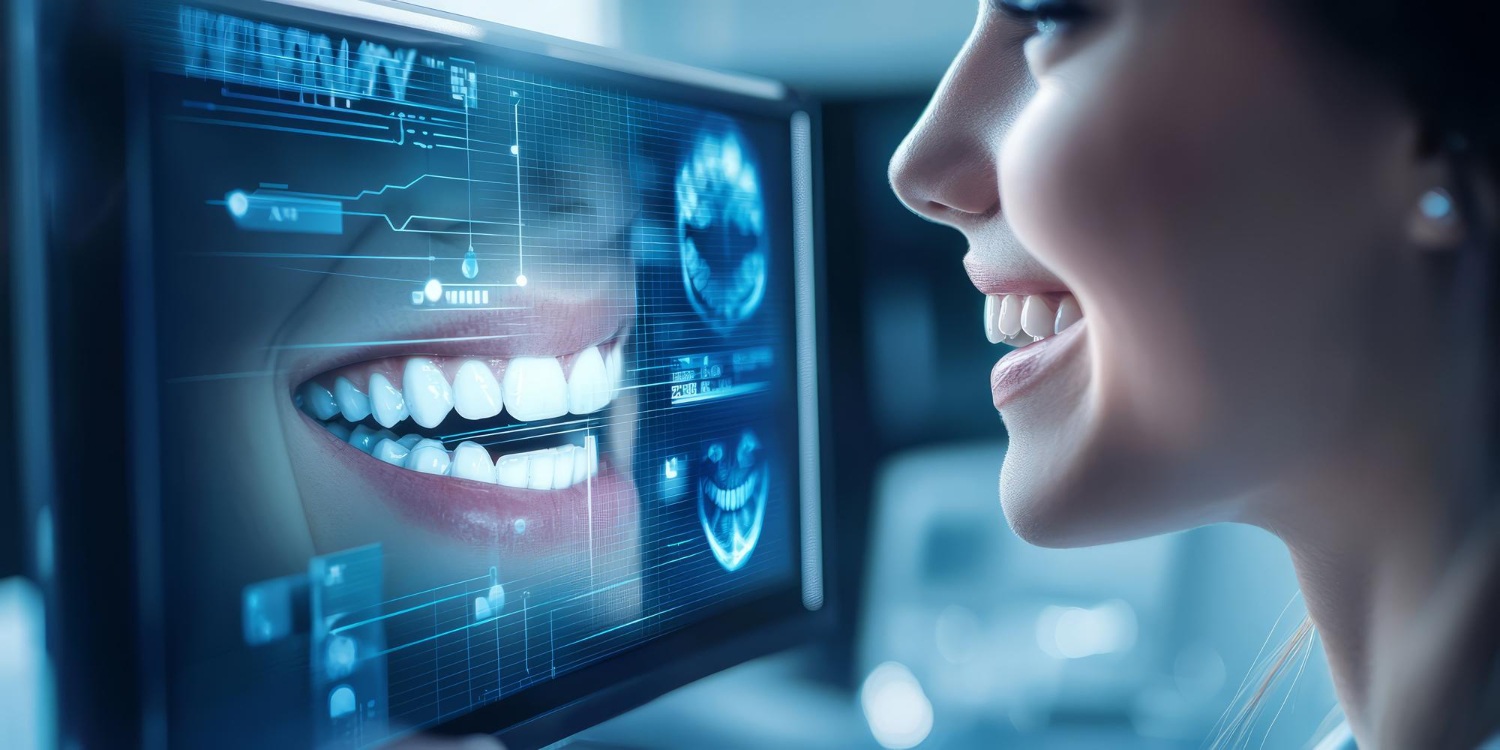
3. Digital Smile Design (DSD)
- Designs the new smile on facial/lip photos.
- Advantage: Visualizes outcomes beforehand; boosts patient engagement.
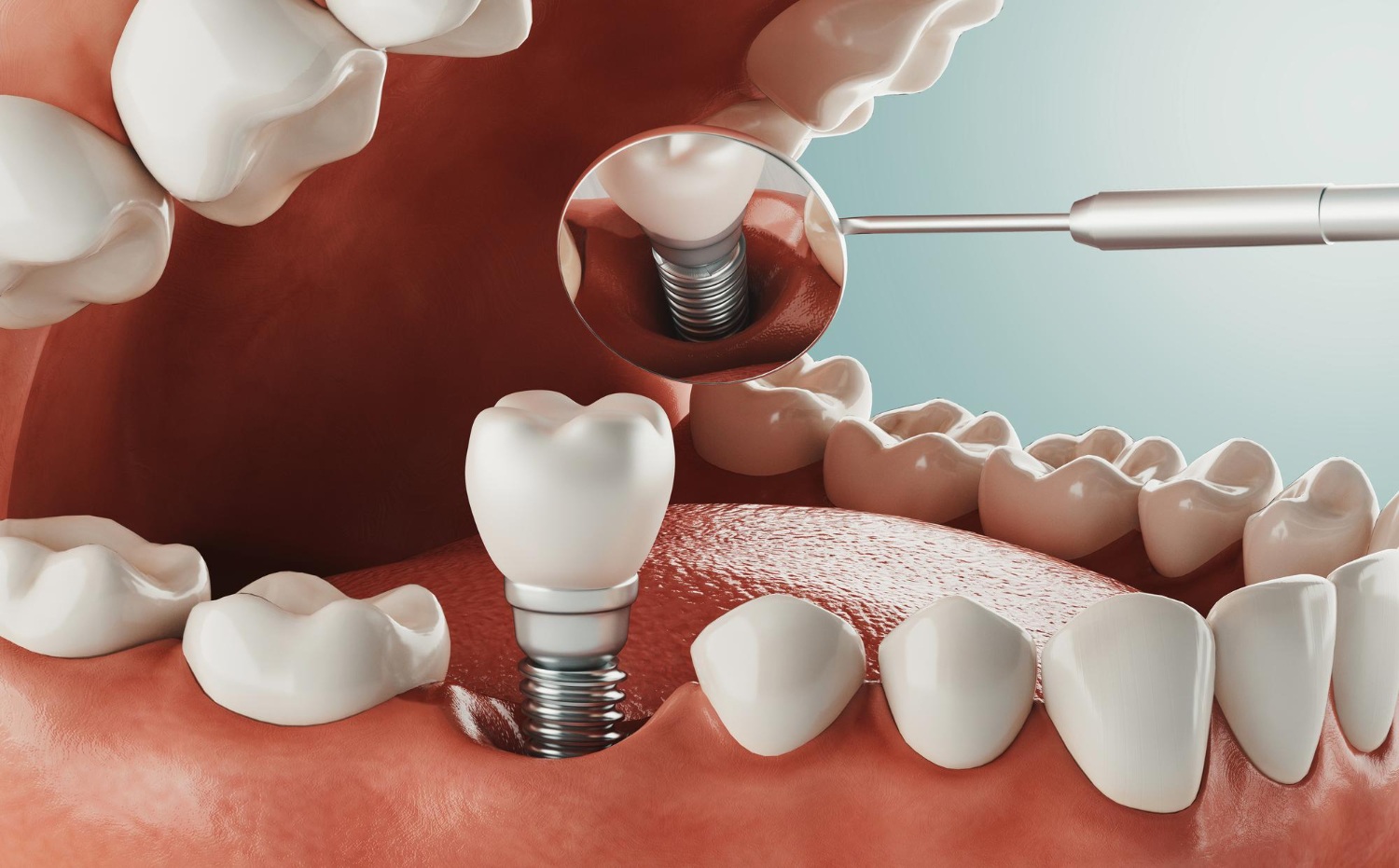
4. CBCT (Cone Beam CT)
- Provides 3D bone visualization vs. 2D radiographs.
- Advantage: Millimetric implant planning to reduce surgical risk.
Advantages vs. Conventional
| Area | Traditional | Digital |
|---|---|---|
| Accuracy | Higher risk of errors in impressions/lab steps. | Scanner + CAD/CAM deliver high precision. |
| Speed | Weeks due to shipping/lab cycles. | Same-day crowns; rapid design/fabrication. |
| Comfort | Impression materials can trigger gag reflex. | Comfortable, fast digital scanning. |
| Treatment Planning | Limited to 2D radiography. | 3D CBCT enables safer planning. |
| Communication | Outcome hard to imagine. | DSD visualizes results in advance. |
Digital dentistry spans all specialties—from esthetics to implants and orthodontics—and represents the future of care.