
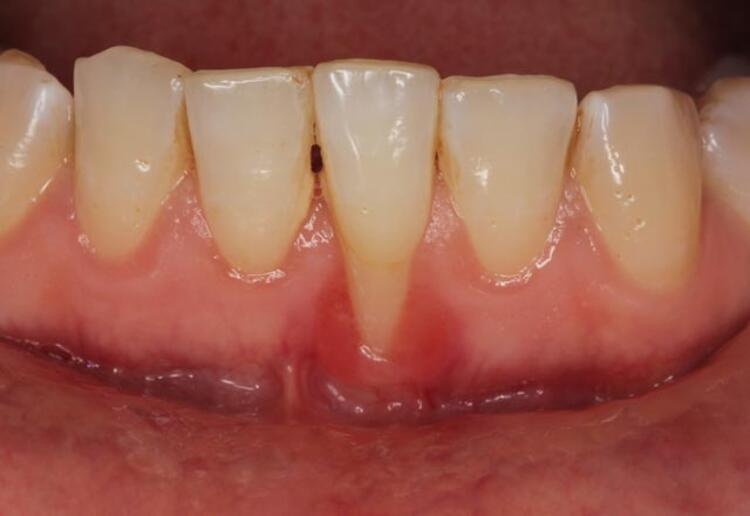
Gum Diseases and Treatment Methods
Gum diseases are inflammatory conditions affecting the supporting tissues of the teeth. They range from simple gingivitis to periodontitis, which can cause bone loss and tooth loss. The primary cause is bacterial plaque due to inadequate oral hygiene.
1. Gingivitis
The earliest and reversible stage.
- Symptoms: Red, swollen gums that bleed on brushing or flossing; often painless and overlooked.
- Treatment: Limited to the gums with no bone loss; professional scaling plus proper brushing/flossing usually resolves it completely.
2. Periodontitis
If gingivitis is untreated, infection spreads below the gumline to roots and bone. Supporting bone begins to resorb.
Symptoms
- Persistent bad taste/odor
- Gum recession and “longer” teeth
- Tooth mobility and drifting
- Gum abscess
Damage
Periodontal pockets form between tooth and gum; plaque/tartar within these pockets destroy bone, causing irreversible loss and eventual tooth loss.
Treatment Options
Managed according to severity, ideally by a periodontist.
A. Non-Surgical Therapy (Deep Cleaning)
Scaling and Root Planing: Under local anesthesia, hand/ultrasonic instruments remove deposits and smooth root surfaces to deter plaque retention.
B. Surgical Therapy (Flap Surgery)
- When: Poor response to non-surgical care or pockets >5 mm.
- How: Temporarily reflect the gum to clean under direct vision.
- Bone Repair: Grafts and barrier membranes may be used for regeneration when indicated.
C. Laser (Adjunct)
May help debride infected tissue and enhance decontamination; can support healing.
Prevention
Brush twice daily, floss once daily, and see your dentist every 6 months for professional care.