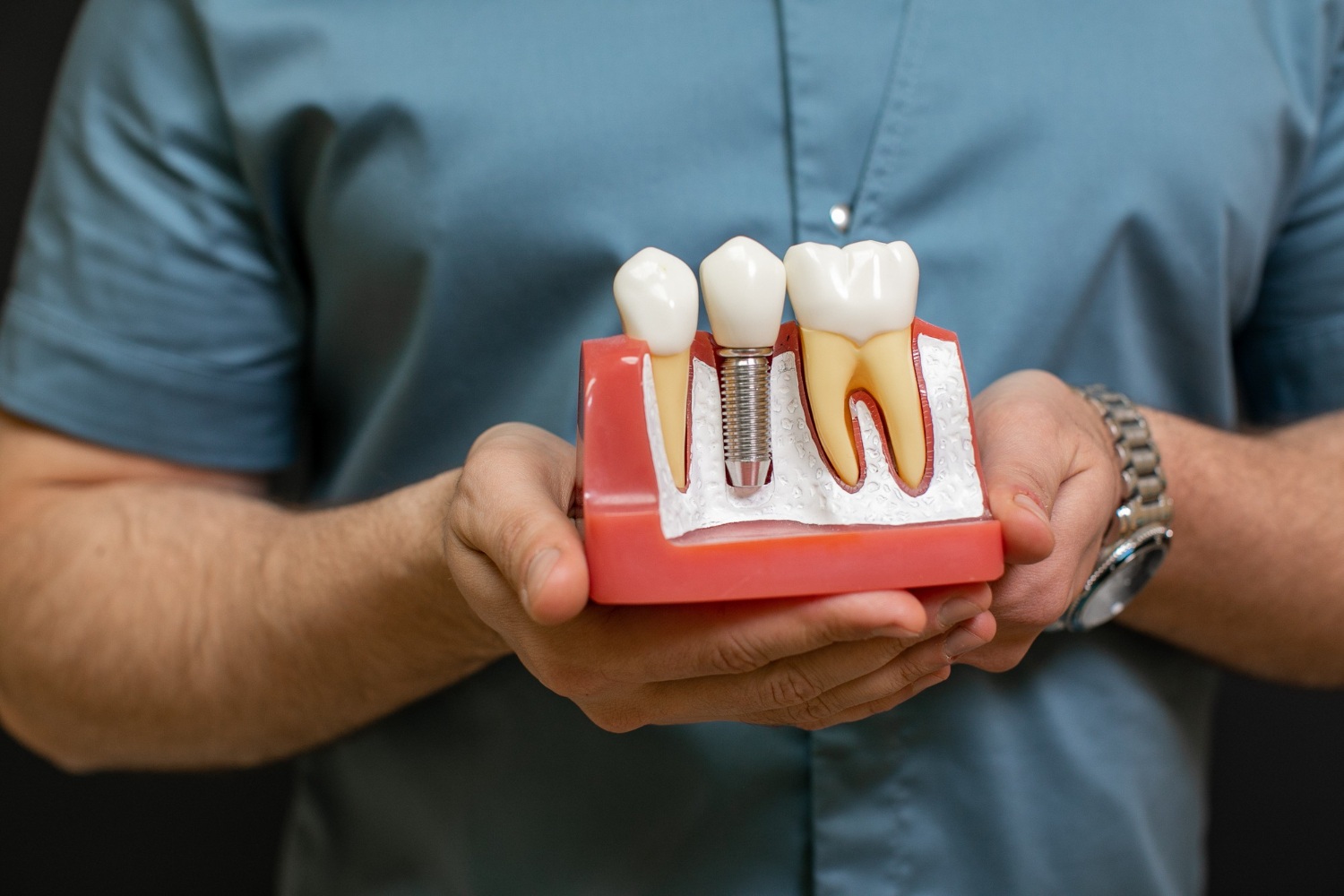
Root Canal Therapy: 5 Most Frequently Asked Questions
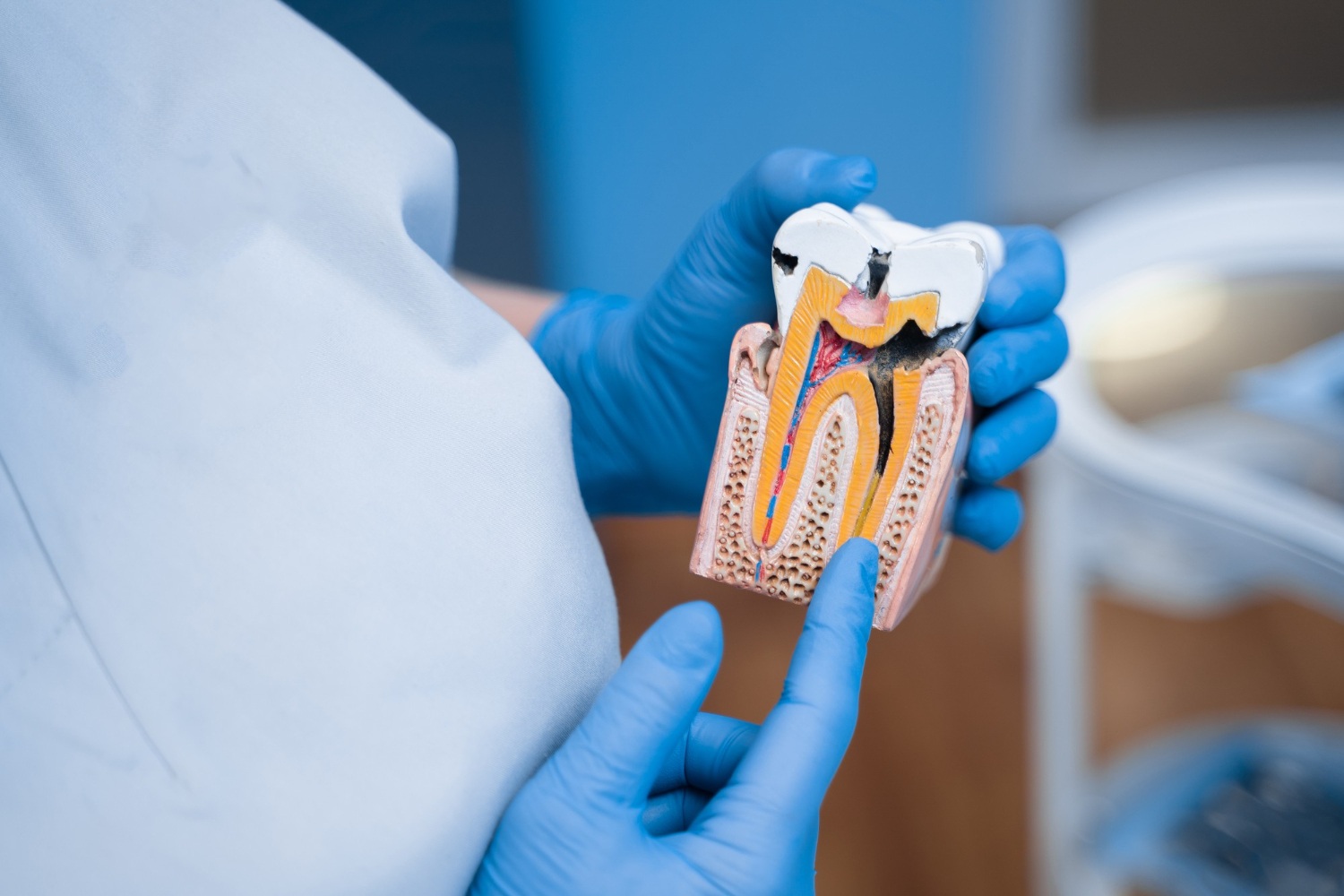
Root canal therapy (endodontic treatment) involves removing the pulp (the tooth’s neurovascular tissue) when it becomes infected or irreversibly damaged due to decay, trauma, or cracks; the canals are cleaned and filled with special materials.
1. Why Is It Done and When Is It Necessary?
It prevents the spread of infection to the jawbone and saves the tooth from extraction.
Indications:
- Deep Caries: Decay reaching the pulp and causing infection.
- Trauma: Fracture or pulp exposure after impact.
- Pulpitis: Irreversible nerve inflammation, often presenting as throbbing, prolonged night pain.
- Abscess: Infection spreading beyond the root tip into bone, leading to swelling, tenderness, or a draining sinus tract.
2. Is a Root Canal Painful?
Modern treatment is performed under local anesthesia; patients do not feel pain during the procedure.
Mild tenderness or pressure for a few days is possible as the inflamed area resolves; this is usually controlled with simple analgesics and is far milder than the prior infection pain.
3. Single Visit or Multiple Visits?
Number of visits depends on the tooth and infection severity:
- Single Visit: Vital pulp or mild infection—clean, shape, and fill in one appointment.
- Multiple Visits: Large abscess, severe infection, or complex anatomy—medicate canals (e.g., calcium hydroxide) and complete obturation at a subsequent visit (often a week later).
4. How Long Do Root-Canal Treated Teeth Last?
Successful treatment preserves the tooth long-term with proper hygiene and restoration.
However, endodontically treated teeth become more brittle due to loss of neurovascular supply. Especially for molars, a protective crown is recommended to reduce fracture risk.
5. What If It Fails?
Success rates are high, but reinfection or missed anatomy can occur.
Options:
- Retreatment: Remove old filling, re-clean, and re-fill.
- Apical Surgery: If infection is confined to the apex, surgically remove the root tip and infected bone.
If neither works, extraction is the last resort.