
Sugar and Tooth Decay: How to Protect Your Oral Health
Tooth decay does not occur because sugar “eats” the tooth; it occurs because oral bacteria use sugar and produce acids. Understanding this link is the first step to prevention.
The Sugar–Acid–Caries Cycle
- Bacterial Nutrition: Certain native bacteria (especially Streptococcus mutans) use simple sugars (sucrose, glucose, fructose) as fuel.
- Acid Production: While metabolizing sugars, they generate lactic acid as a strong by-product.
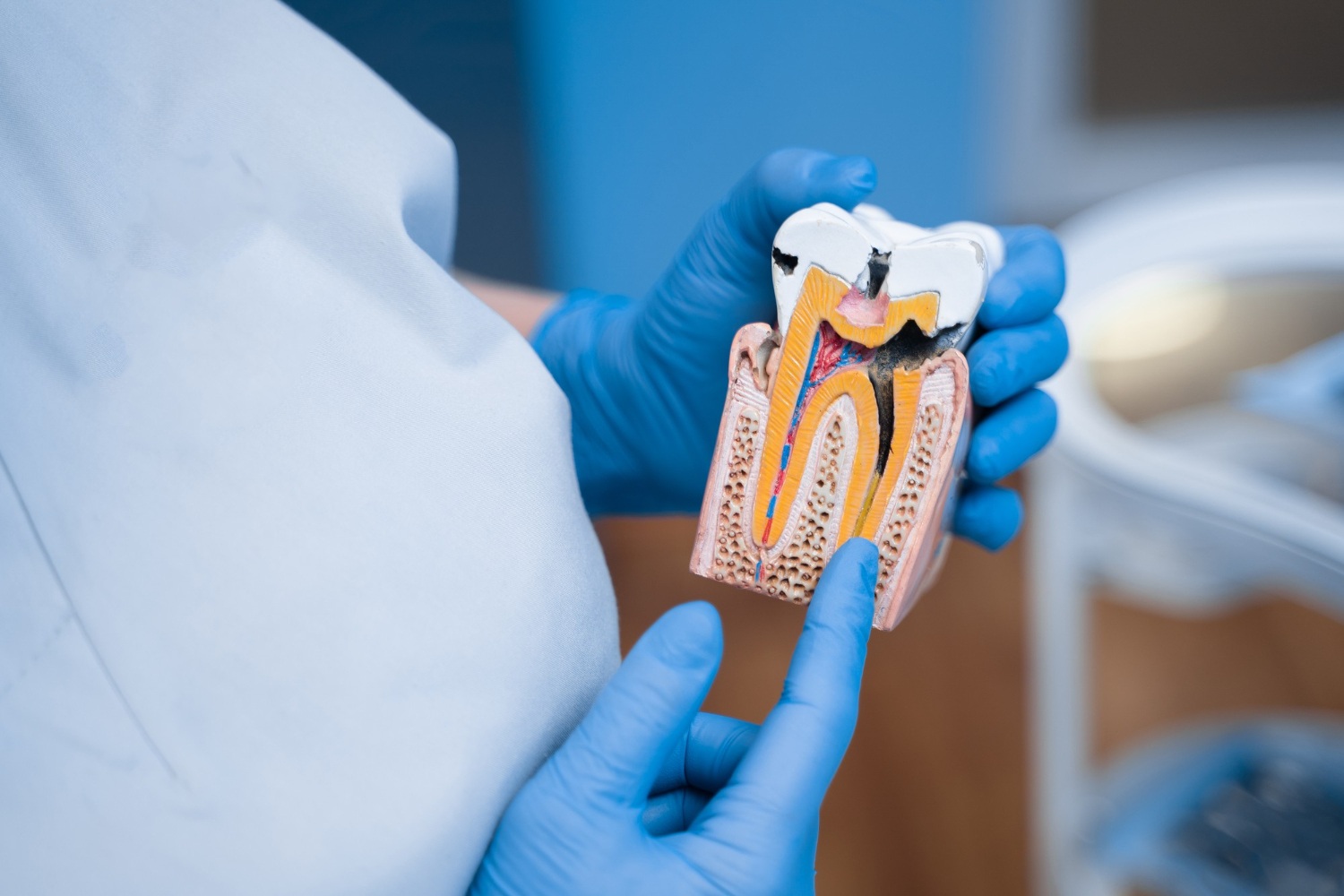
- Enamel Erosion: These acids dissolve calcium and phosphate from enamel (demineralization).
- Cavity Formation: Frequent acid attacks weaken enamel and eventually create a cavity.
Key Point: Frequency matters more than total amount. Frequent snacking or sipping sugary drinks keeps oral pH acidic and multiplies risk.
How to Protect Your Teeth
1. Tweak Timing
- Have sweets with meals: Salivary flow during meals helps buffer acids.
- Avoid frequent snacks: Choose saliva-stimulating foods like cheese, yogurt, and vegetables between meals.
2. Improve Food Choices
- Watch hidden sugars: Fruit juices, sodas, ketchup, and packaged sauces can be high in sugar.
- Fiber & salivary support: Apples, carrots, and celery help cleanse teeth and boost saliva.
- Fluoride products: Use dentist-recommended fluoride toothpaste/mouthwash to promote remineralization and acid resistance.
3. Practice Excellent Oral Hygiene
- Brushing: Brush at least 30 minutes after sugary foods/drinks (immediate brushing may abrade acid-softened enamel).
- Flossing: Clean interdental sugar residues daily.
4. Keep Regular Checkups
- Visit your dentist every 6 months. Early caries can be treated with small fillings.
- Ask about sealants or professional fluoride on high-risk surfaces.