
Smile Design: What Is It and How Is It Done?
Smile design is the comprehensive reshaping of teeth, gums, and lips to achieve harmony with facial features, guided by science and the patient’s esthetic goals. It goes beyond colour/shape correction to create a personalized smile suited to facial structure, skin tone, lip line, and personality.
How Is It Done?
Stage 1: Analysis & Planning (Digital Dentistry)
- Patient Expectations: Clarify goals.
- Records: Precise impressions and bite registration.
- Digital Imaging: Photos/videos and DSD software to design ideal form/colour.
- Mock-up: Temporary application of the proposed form to preview and adjust.
Stage 2: Clinical Procedures
Multiple disciplines may be combined depending on needs.
| Discipline | Procedures | Purpose |
|---|---|---|
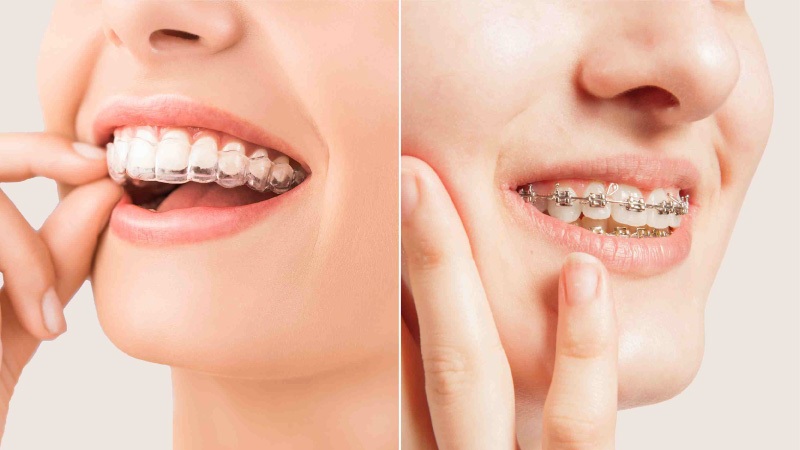
| Orthodontics | Clear aligners or braces | Correct crowding/malalignment |
| Periodontics | Gummy smile/gum recontouring | Gingival symmetry |
| Restorative/Esthetic | Porcelain veneers, full crowns, zirconia, bonding | Improve shape/size/colour |
| Endodontics | Whitening, root canal if needed | Lighten shade; treat dark teeth internally |
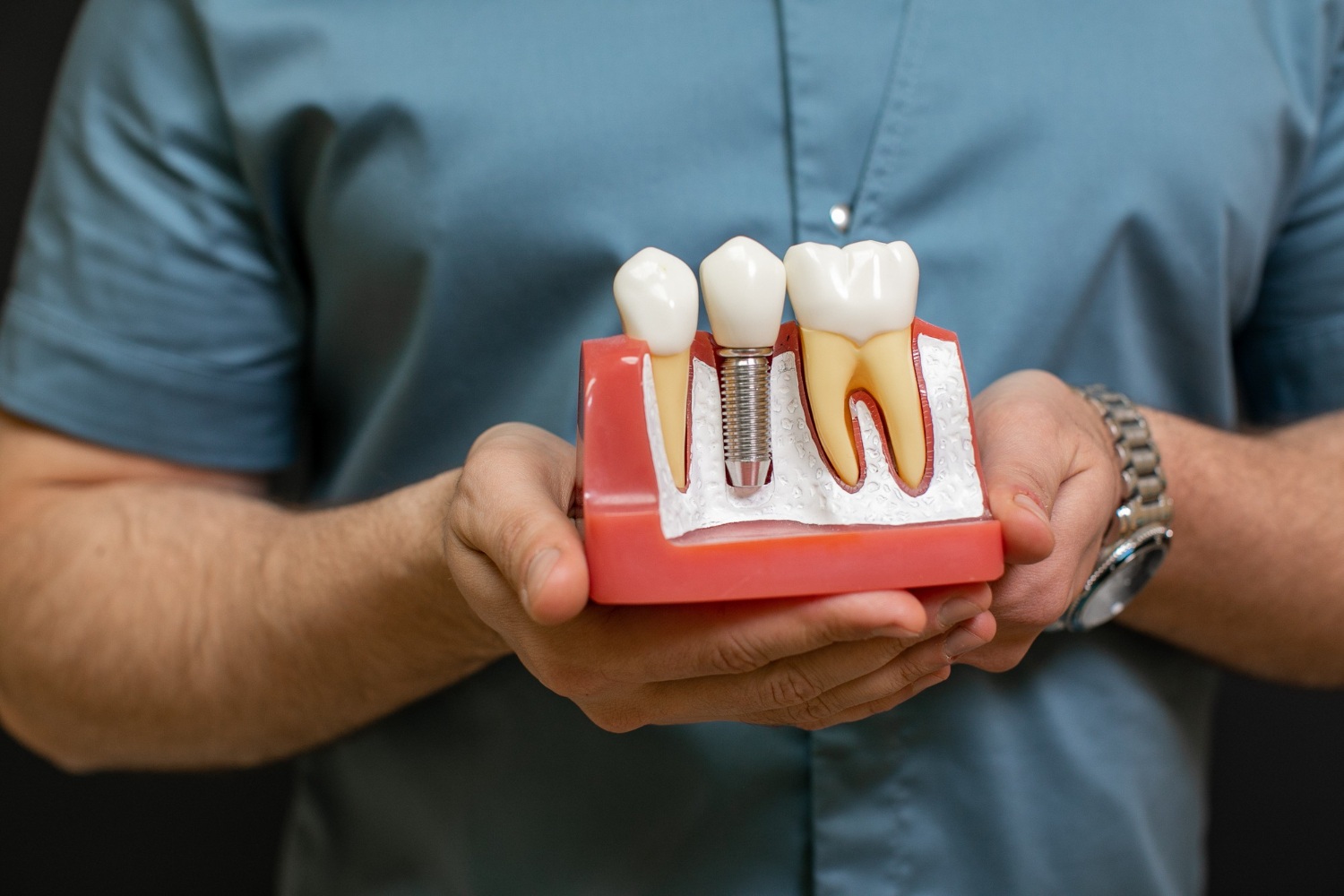
| Surgery | Implants | Replace missing teeth permanently |
Stage 3: Delivery & Maintenance
After completion, provide home-care guidance; longevity depends on hygiene and recalls.
Who Should Consider Smile Design?
- Those dissatisfied with tooth colour/shape/size
- Diastema cases
- Fractured/worn/cracked teeth
- Excessive gingival display (gummy smile)
- Suitable candidates seeking rapid esthetics without orthodontics (via veneers)
Smile design is not only cosmetic—it can boost confidence and social well-being.