
What Causes Bad Breath (Halitosis) and How to Resolve It
Halitosis is a common condition that can negatively affect social life and may point to an underlying health problem. Although often related to oral hygiene, its causes extend far beyond it.
Causes of Bad Breath
1. Intraoral Causes (≈85–90%)
- Bacterial Plaque and Tongue Coating: The most common cause. Anaerobic bacteria on the posterior tongue produce sulfur-containing gases (VSCs).
- Gum Diseases: Gingivitis and periodontitis cause pronounced odor due to bacterial plaque.
- Caries and Old Restorations: Untreated caries, cracked fillings, and voids trap bacteria and food debris.
- Dry Mouth (Xerostomia): Saliva cleanses the mouth; reduced flow (medications, certain diseases) promotes bacterial growth.
- Dentures and Appliances: Poorly cleaned removable dentures and orthodontic appliances can cause odor.
2. Extraoral (Systemic) Causes
- Foods: Garlic, onion, and spices enter the bloodstream after digestion and can be exhaled through the lungs.
- Airway Conditions: Sinusitis, post-nasal drip, tonsillitis, and bronchitis.
- Gastrointestinal Problems: Reflux and digestive disorders.
- Systemic Diseases: Uncontrolled diabetes (acetone smell), renal and hepatic failure may have characteristic odors.
How to Manage Bad Breath
1. Excellent Oral Hygiene
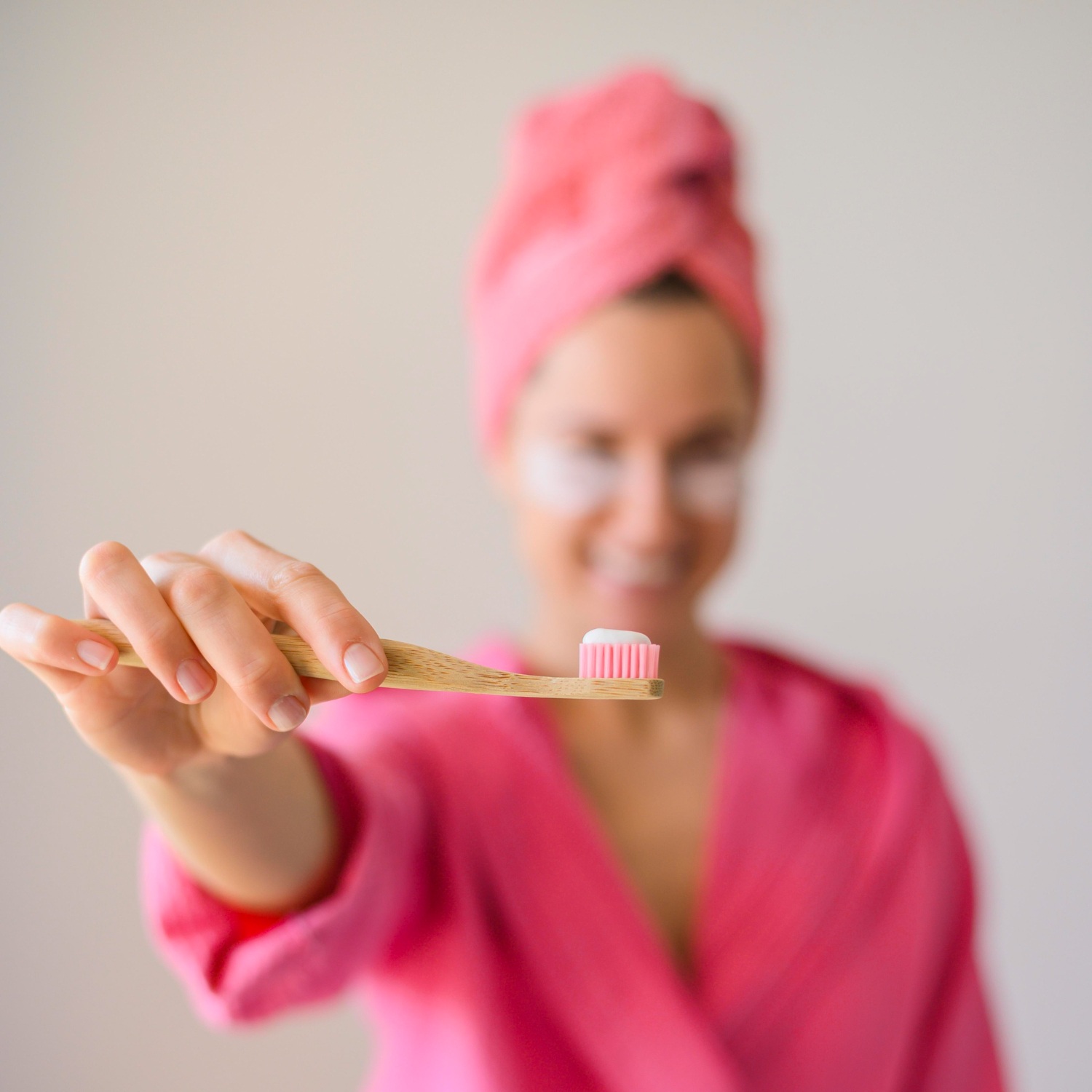
- Proper Brushing: Brush twice daily for 2 minutes with the correct technique.
- Tongue Cleaning: The most critical step; gently clean the posterior tongue with a brush or scraper.
- Flossing: Use floss or interdental brushes once daily.
2. Professional Care
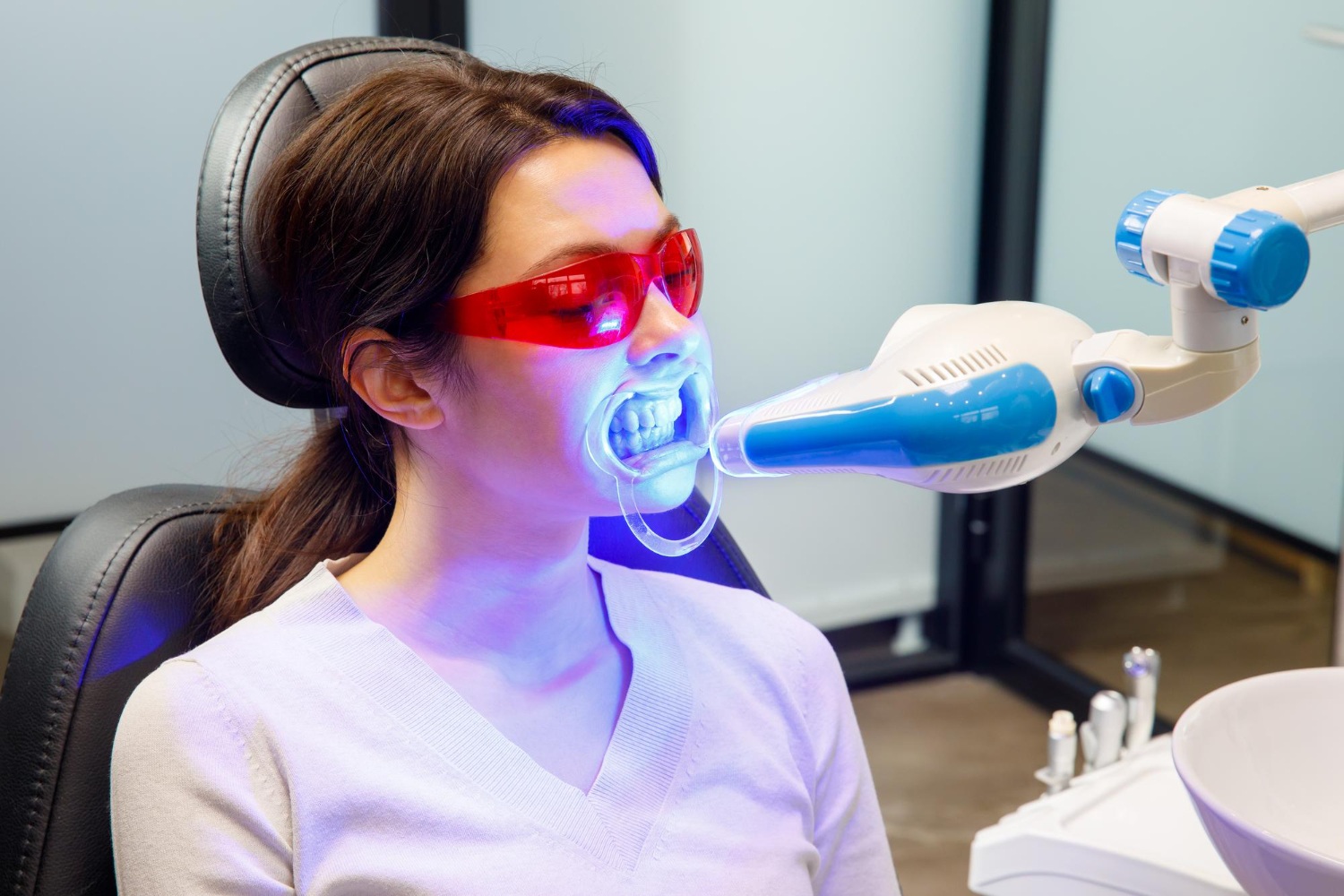
- Regular Dental Visits: Treat caries, faulty restorations, and especially gum disease; have scaling (prophylaxis) as needed.
3. Lifestyle Changes
- Hydration: Drink plenty of water to prevent dryness.
- Quit Smoking: Tobacco is a major trigger of halitosis and gum disease.
- Sugar-Free Gum: Increases saliva for temporary relief.
- Dietary Control: Reduce foods that cause odor.
4. Treat Underlying Causes
If extraoral sources are suspected (e.g., sinusitis, reflux), consult ENT or gastroenterology for proper diagnosis and treatment.