Single Missing Tooth: Implant or Bridge?
A single missing tooth affects function and esthetics. Two common options are a dental implant or a conventional bridge. Each has pros and cons; in contemporary practice, implants are often the more biologically favorable option.
1. Implant (Often Preferred)
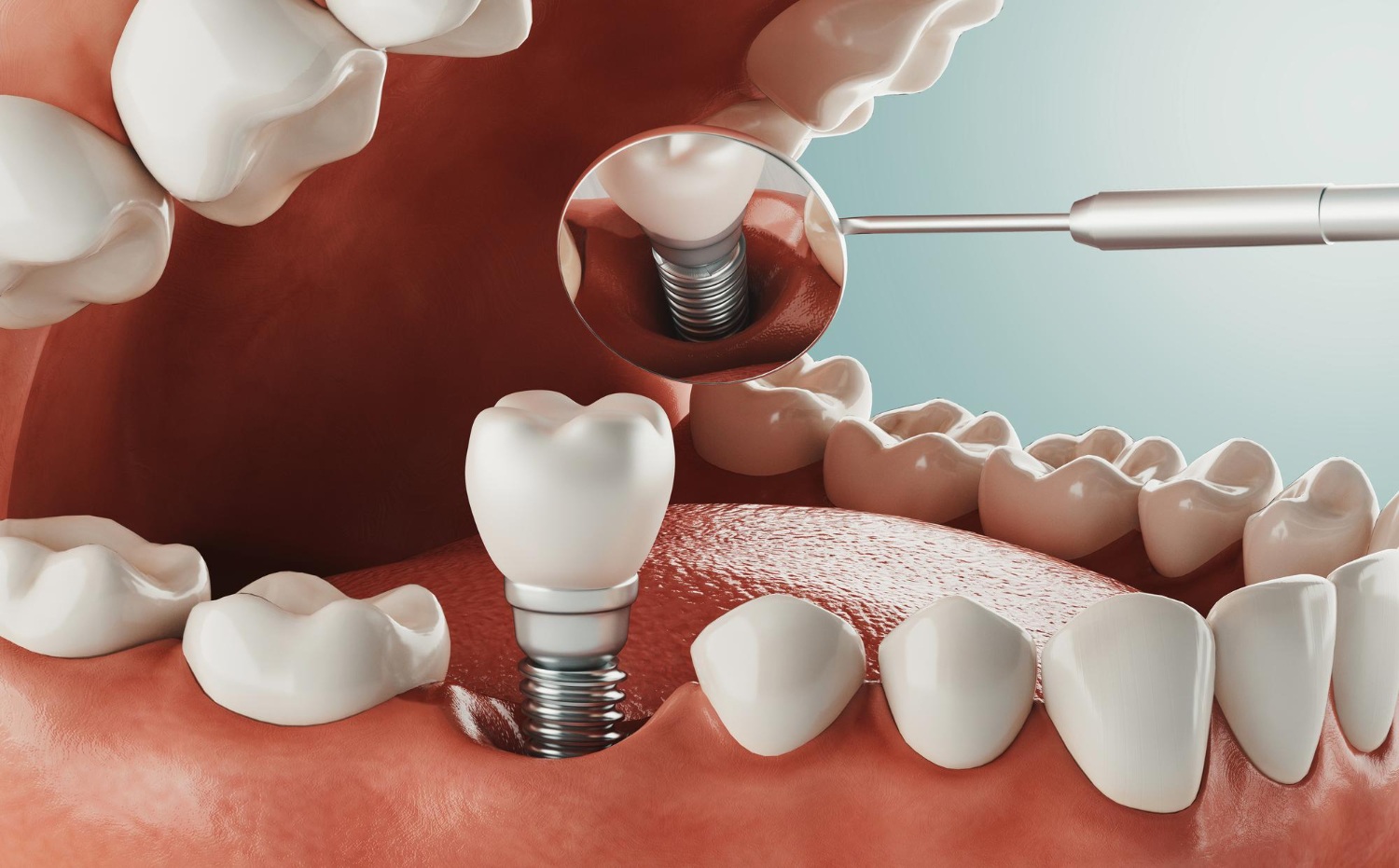
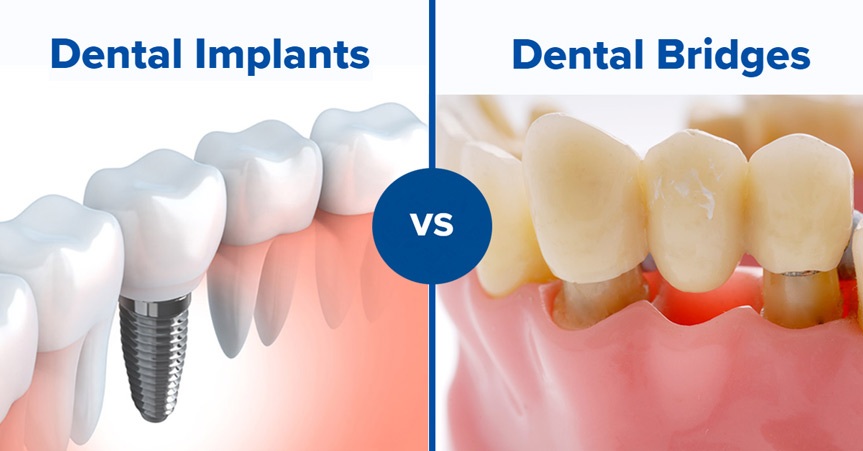
An implant is a root-like fixture placed in bone with a single crown on top.
Comparison
| Advantages | Disadvantages |
|---|---|
|
|
2. Conventional Bridge (Alternative)
Prepares the neighboring teeth and places a three-unit prosthesis to span the gap.
Comparison
| Advantages | Disadvantages |
|---|---|
|
|
Conclusion
If adjacent teeth are sound, an implant is typically the most physiologic, tooth-sparing option. When adjacent teeth already need major restorations, a bridge can be a reasonable, cost-effective alternative.