What Is a Dental Implant? Costs and Treatment Timeline
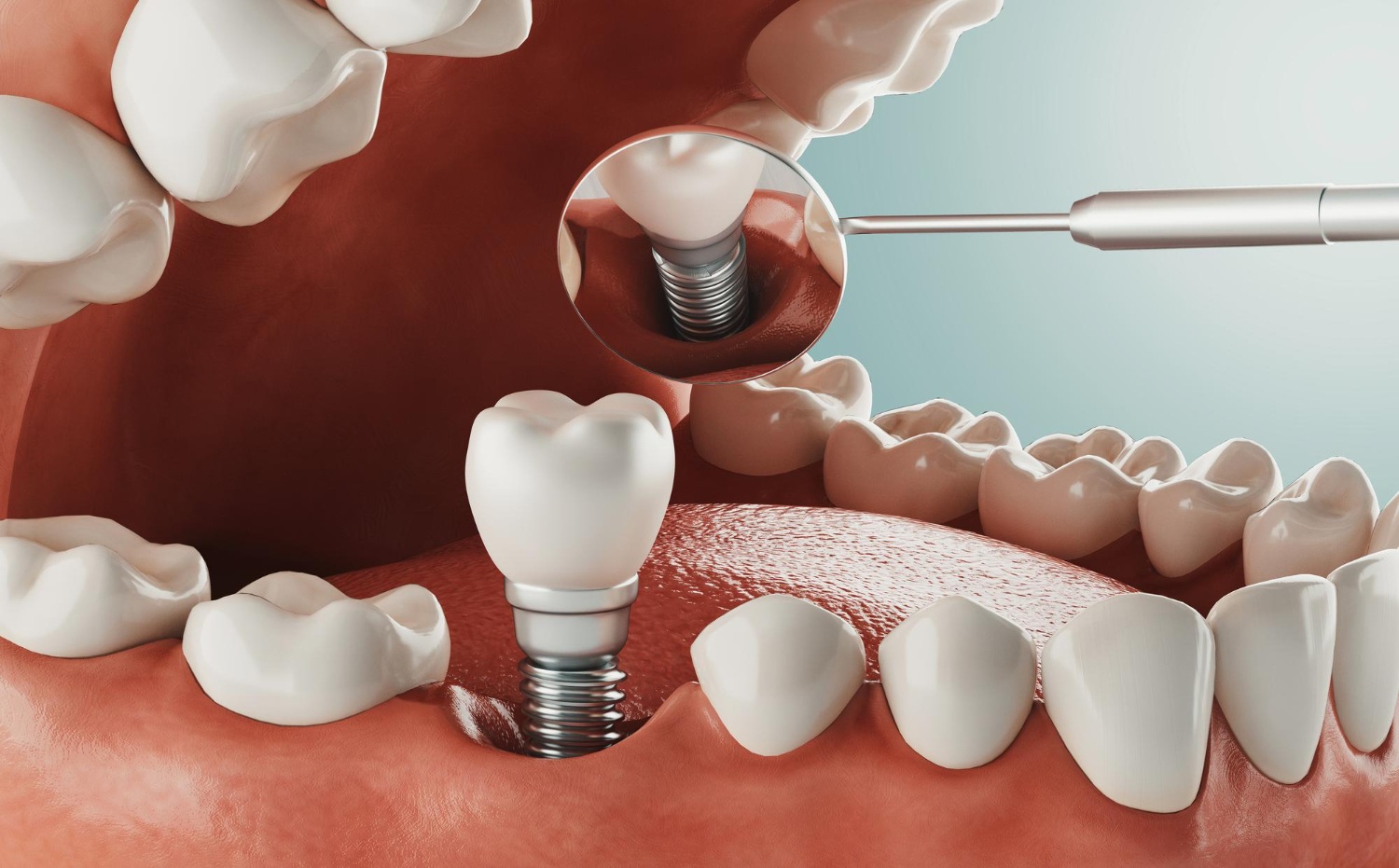
A dental implant is a titanium or zirconia screw placed into the jawbone to function as an artificial root. A porcelain crown placed on top restores both esthetics and function. Modern implantology began in 1965 when Swedish researcher Per-Ingvar Brånemark discovered that titanium biologically fuses with bone (osseointegration), and today it is the gold standard in dentistry. When properly performed, it offers over 97% success rate and can serve as a permanent, lifelong solution.
Implant Materials: Titanium vs Zirconia
Titanium Implants
- Proven track record: 60 years of use, long-term data available.
- High success rate: 97–98% osseointegration success.
- Versatility: Wide range of sizes and designs.
- Cost: More economical than zirconia.
- Drawback: May show grey shadow through thin gums over time.
Zirconia Implants
- Metal-free: Ideal for patients with metal allergies.
- Esthetics: White color invisible even with gum recession.
- Biological harmony: Excellent compatibility with gum tissue.
- Drawback: Newer technology, limited long-term data; higher cost.
Typical Treatment Flow
It usually involves three stages and, depending on the case, takes about 3–6 months in total.
Stage 1: Examination & Planning (2–3 Days)
- Clinical Exam: Oral exam and medical assessment. Systemic conditions like diabetes, heart disease, and blood thinner use are reviewed.
- Imaging: Panoramic X-ray and CBCT map bone dimensions and anatomic landmarks (sinus cavity, mandibular nerve) in 3D.
- Surgical Planning: Digital software determines the site, angulation, and implant type. Surgical guide prepared if needed.
- Pre-preparation: Gum disease, cavities, and infections treated first. Grafting planned if bone is insufficient.
Stage 2: Surgery (Implant Placement)
- Placement: Under local anesthesia, a flap is opened, an osteotomy is prepared, and the implant is inserted. Usually takes 30–60 minutes for a single implant.
- Sutures: Gum is closed over with sutures. Removed after 7–10 days.
- Healing (Osseointegration): ~3–6 months in the maxilla; ~2–4 months in the mandible. A temporary prosthesis may be used.
Stage 3: Prosthetics
- Second-Stage: Healing abutment is connected (1–2 weeks).
- Impressions: Digital scanner or conventional precision impressions.
- Crown Delivery: The lab-made porcelain/zirconia crown is fixed to the abutment. May be screw-retained or cemented.
Who Is Suitable for Dental Implants?
- Suitable candidates: 18+ years old, jaw development complete, in good general health, with one or more missing teeth.
- Extra caution needed: Uncontrolled diabetes, severe osteoporosis, active periodontal disease, heavy smoking, chemotherapy/radiotherapy history.
- Insufficient bone: Can be resolved with sinus lift or bone grafting in most cases.
- No upper age limit: Successful implant placement possible even in patients over 80 with good general health.
Types of Dental Implants
- Endosteal (in-bone): Most common type; screw-shaped, placed into the jawbone.
- Subperiosteal (on-bone): Frame placed on bone for patients with insufficient bone depth.
- Mini implant: Half the size of standard implant; used in narrow areas or to retain immediate prostheses.
- Zygomatic implant: Placed in the cheekbone for severe bone loss cases; advanced surgical technique.
Advantages Over Alternatives
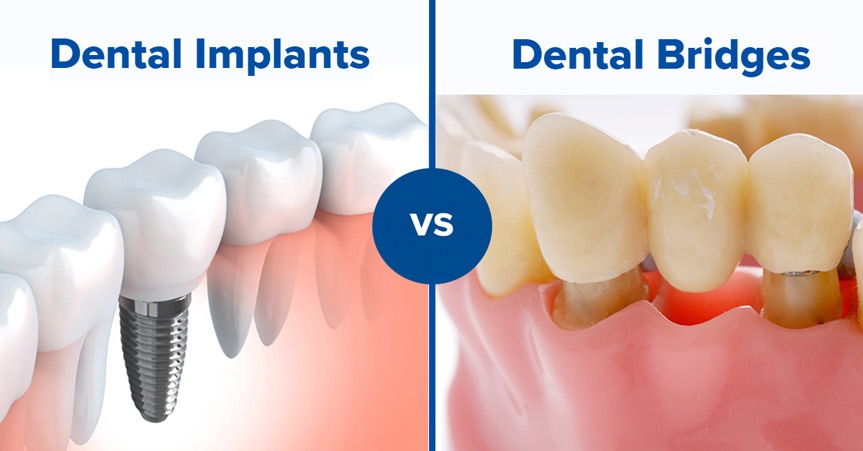
- Bridge vs Implant: Bridge grinds down adjacent healthy teeth; implant does not harm neighboring teeth.
- Denture vs Implant: Removable dentures cover the palate and reduce chewing force by 40%; implant provides full chewing power.
- Bone preservation: Bone begins to resorb after tooth loss; only implants halt this process.
- Esthetics: Closest solution to natural tooth appearance.
- Longevity: 25+ years with proper care.
What Affects the Cost? (2026)
- Brand and Quality of the Implant: Premium brands (Straumann, Nobel Biocare, Astra Tech) cost more but have long-term data. Local brands are economical with less data.
- Number of Implants: Unit price difference between single and multiple implants; bulk placements reduce per-unit cost.
- Additional Surgeries: Sinus lift, bone grafting, membrane application add costs.
- Clinician’s Experience & Location: Certified implantologists have different pricing.
- Prosthetic Type: Metal-ceramic, all-ceramic, monolithic zirconia at different price points.
- Technology Used: Digital planning, surgical guides, 3D printing reflect in pricing.
Dental implant costs in Turkey are 60–70% more affordable than Europe and the US. This is why dental tourism is growing in cities like Izmir. Our clinic offers transparent pricing and installment options before treatment.
Frequently Asked Questions
How long do dental implants last?
Properly placed and well-maintained implants can function successfully for 25+ years. Lifetime use is the goal.
Is implant placement painful?
The procedure is performed under local anesthesia, so no pain is felt. Post-op moderate pain lasting 2–3 days is easily controlled with prescribed medications.
Can an implant be placed immediately after extraction?
Yes in suitable cases; called “immediate implantation”. Depends on bone quality and infection status. If not suitable, 2–3 months of healing is required.
What are implant costs in Izmir?
Varies by brand, number, and additional procedures. Personal plan and exact pricing provided after clinical examination. Turkey average is significantly more economical than Europe.
What happens if bone is insufficient?
Bone volume can be increased with grafting (autogenous, xenograft) or sinus lift. These additional procedures require 3–6 months of healing.
Can I get an implant if I smoke?
Yes but success rate is lower; osseointegration is 20–30% less successful in smokers. Quitting smoking at least 6 months before and after treatment recommended.
Can I have MRI/X-ray with an implant?
Titanium implants are MRI-compatible; no problem. Visible on X-ray but harmless.
Dental Implant Treatment at Dent Alesta Izmir Cigli
At Dent Alesta Dental Clinic in Izmir Cigli Atasehir, we perform modern implant applications with digital 3D planning, surgical guides, and premium implant systems. For patients coming from Menemen, Mavisehir, Karsiyaka, Bayrakli, and Bostanli, we provide personalized planning, flexible installment options, and painless application guarantee.
For more detailed information about implant treatment, visit our dental implants page, our implant-supported prosthetics page for complex cases, or our painless dental treatment approach for anxious patients. For appointments, call +90 540 002 00 35 or fill out our online appointment form.